April Showers Bring May Flowers:
A Complete Guide to Commercial & Industrial Real Estate Landscaping
As spring takes hold across the Midwest and Ohio Valley, commercial and industrial properties are entering a critical period of renewal. Trees are budding, grass is greening, and savvy property owners know that now is the ideal time to evaluate landscaping strategy, address winter damage, and plan for the busy seasons ahead. This guide covers everything you need to know — from regulatory compliance and best plant selections to seasonal care tips for the Ohio Valley region.
What to Expect from Commercial & Industrial Landscaping
Commercial and industrial landscaping is far more than curb appeal — it's a strategic investment that directly affects property value, tenant retention, regulatory compliance, and long-term maintenance costs. Whether managing a corporate office park, retail center, or logistics facility, well-planned landscaping shapes both first impressions and operational performance.
The 4 Pillars of Commercial Landscaping
- Professional Appearance — Clean, well-maintained landscapes signal operational excellence and attract tenants, customers, and investors.
- Low Maintenance Design — Especially critical in industrial settings; durable, native plantings reduce long-term costs.
- Safety & Accessibility — Clear sightlines, proper lighting integration, and unobstructed walkways for pedestrian and vehicle traffic.
- Environmental Responsibility — Sustainable practices like water-efficient irrigation and native plantings reduce impact and maintenance needs.
Landscaping Compliance: What Municipalities Require
Many municipalities and business districts in the Ohio Valley and Midwest enforce landscaping requirements through zoning codes, development standards, and property covenants. Understanding these regulations is essential for avoiding fines, delays, and costly retrofits.
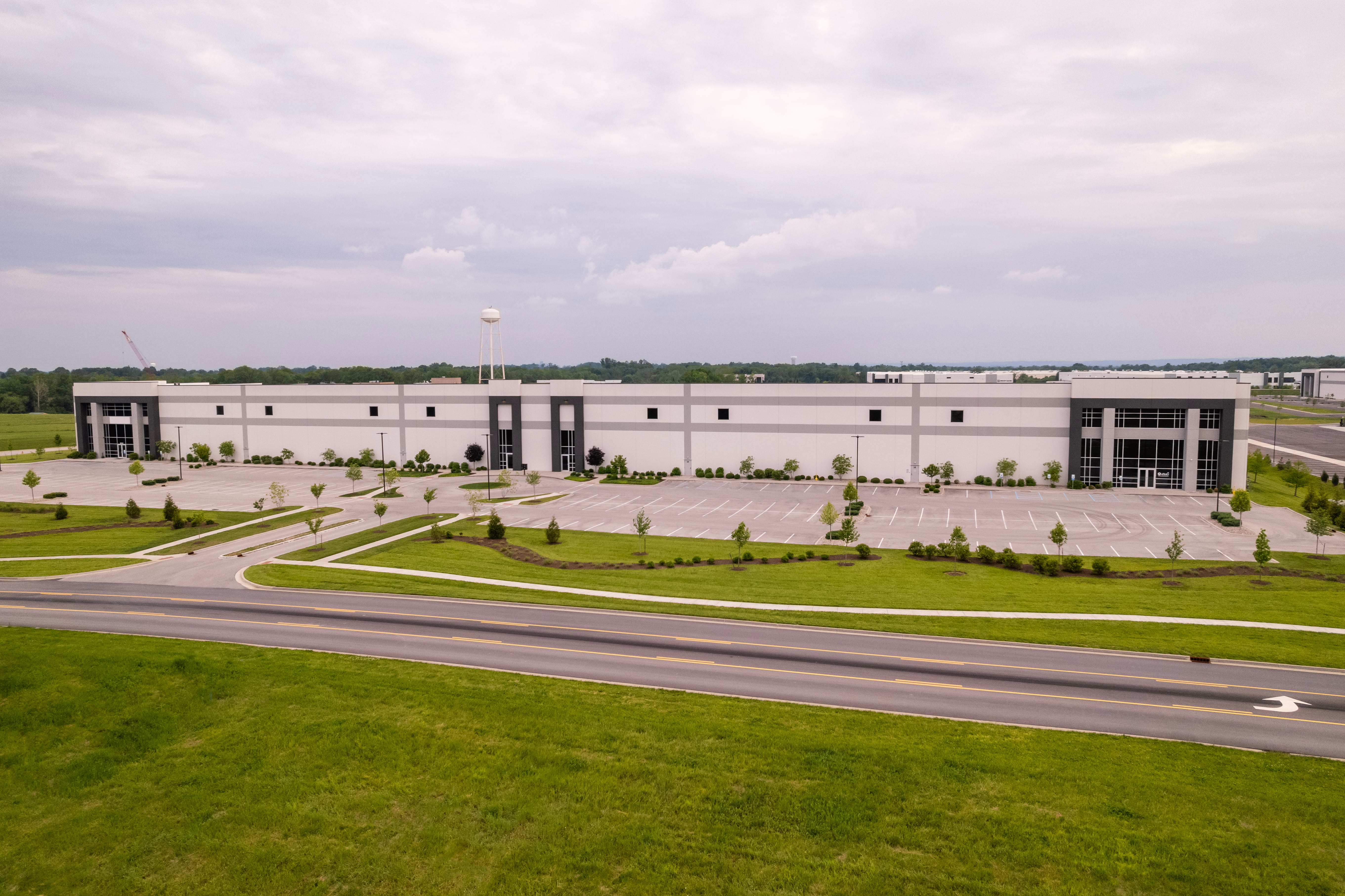
America Place works directly with the River Ridge Development Authority to ensure our projects adhere to the River Ridge Commerce Center Development Standards, which include detailed landscaping regulations governing buffers, native plantings, stormwater management, and parking lot greenspace.
Common Regulatory Requirements
- Buffer Zones & Screening — Industrial sites must include tree/shrub buffers or berms to shield operations from adjacent residential areas.
- Parking Lot Landscaping — Typically requires a minimum number of trees per parking spaces, plus landscaped islands to reduce heat and improve stormwater.
- Stormwater Management — Many properties must incorporate retention basins or rain gardens to control runoff and prevent flooding.
- Tree Preservation — Some municipalities require preserving existing mature trees or replacing removed trees during development.
- Signage Sightlines — Plantings must not obstruct signage or create visibility hazards near entrances and roadways.
Why These Regulations Exist
- Environmental Protection — Reduces urban heat islands, improves air quality, supports pollinators and local wildlife.
- Stormwater Control — Manages runoff, reduces burden on municipal drainage, and minimizes erosion risk.
- Property Value Stability — Consistent standards across business districts protect neighboring property values.
- Human Well-Being — Green, thoughtfully designed outdoor spaces improve mental well-being for employees, customers, and visitors.
Midwest & Ohio Valley Seasonal Landscaping Guide
The Ohio Valley's wide seasonal swings — from frigid winters to hot, humid summers — demand a year-round landscaping strategy. Use this quick-reference table to stay on schedule:
| Season | Focus Areas | Key Tasks | Plant Priorities |
|---|---|---|---|
| Spring | Recovery & Renewal | Clear debris, aerate lawns, apply pre-emergent, mulch, plant annuals | Redbud, Magnolia, Ornamental Grasses |
| Summer | Growth & Resilience | Smart irrigation, mowing, pest monitoring, weed control | Drought-tolerant natives, Ornamental Trees |
| Fall | Root Development | Fertilize turf, plant shrubs/trees, remove leaves, cut back perennials | Arborvitae, Evergreens, Ornamental Shrubs |
| Winter | Protection & Safety | Snow/ice management, dormant pruning, inspect for storm damage | Evergreens, Hardy Shrubs |
Spring: Recovery & Renewal (March–May)
- Clear debris and assess winter damage to turf and plantings.
- Aerate and overseed lawns for strong spring root growth.
- Apply pre-emergent herbicide treatments to get ahead of weeds.
- Install fresh mulch in beds — 2 to 3 inches is ideal.
- Plant hardy annuals and spring-flowering trees for visual impact.
Summer: Growth Management (June–August)
- Activate smart or drip irrigation systems to conserve water.
- Maintain consistent mowing, pruning, and weed control schedules.
- Monitor for pests and fungal diseases common in hot, humid conditions.
- Use drought-tolerant native species to reduce maintenance stress.
Fall: Root Development & Prep (September–November)
- Fertilize turf to strengthen root systems before frost.
- Plant trees and shrubs — fall allows roots to establish before winter.
- Remove leaves regularly to prevent turf damage and mold.
- Cut back perennials and prepare planting beds for dormancy.
Winter: Protection & Safety (December–February)
- Implement a snow and ice management plan to maintain accessibility.
- Use salt alternatives wherever possible to protect plants and hardscapes.
- Perform dormant pruning on trees and shrubs for spring-ready growth.
- Inspect properties for structural damage from snow loads and ice storms.
Featured Trees for Midwest Commercial Properties
Selecting the right trees is one of the most impactful decisions a property manager can make. Below are three top performers for Ohio Valley commercial properties.
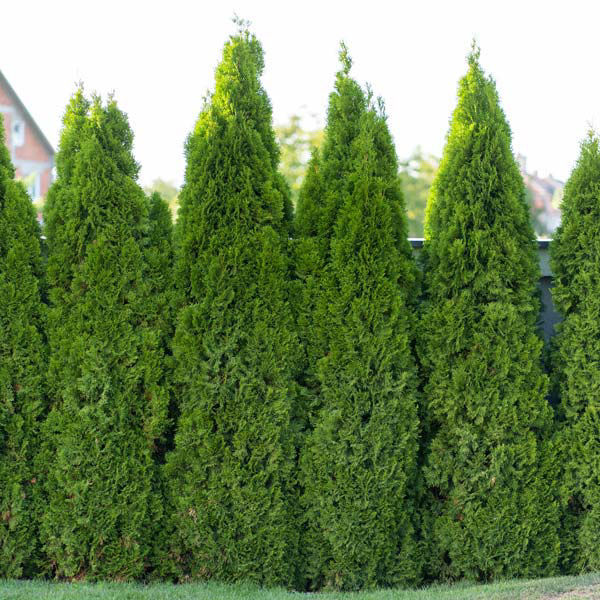
Arborvitae (Thuja occidentalis) — The Privacy Champion
Arborvitae is one of the most widely used evergreen trees in commercial landscaping. Its dense, columnar growth makes it a perfect screening solution for buffer zones, parking lot edges, and property boundaries.
- Hardiness: Zones 3–8 — thrives throughout the Ohio Valley and Midwest. Not sure what zone you're in? Look it up on the USDA Plant Hardiness Zone Map.
- Growth Rate: 1–2 feet per year; reaches 15–30 feet depending on variety.
- Best Use: Privacy screening, windbreaks, buffer zones, foundation planting.
- Maintenance: Low. Tolerates pruning well; minimal pest/disease issues.
Arborvitae provides dense year-round screening — ideal for commercial buffer zones.
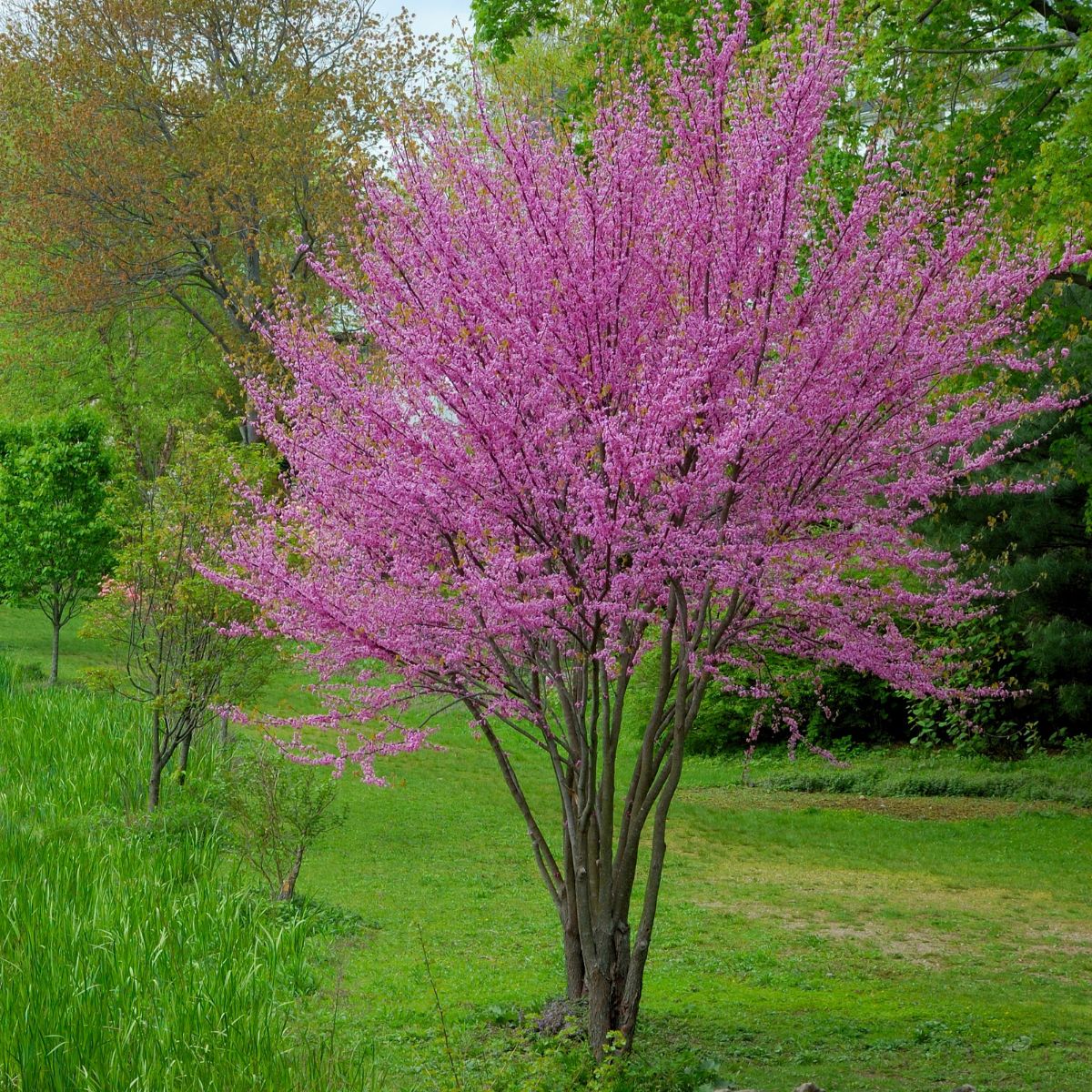
Eastern Redbud (Cercis canadensis) — The Spring Showstopper
Few trees match the Eastern Redbud for pure visual impact in spring. Its stunning magenta-pink blossoms emerge before the leaves, creating a striking display that sets commercial properties apart. It's native to the Ohio Valley — a major maintenance advantage.
- Hardiness: Zones 4–9 — native to the entire Ohio Valley region.
- Size: Reaches 20–30 feet tall with a rounded, spreading canopy.
- Best Use: Specimen trees, parking lot islands, corporate entrances, streetscapes.
- Maintenance: Moderate. Occasional pruning; monitor for canker disease in mature trees.
- Seasonal Appeal: Spring blooms, heart-shaped summer foliage, golden fall color.
Eastern Redbud's brilliant spring blooms make a lasting first impression on commercial properties.
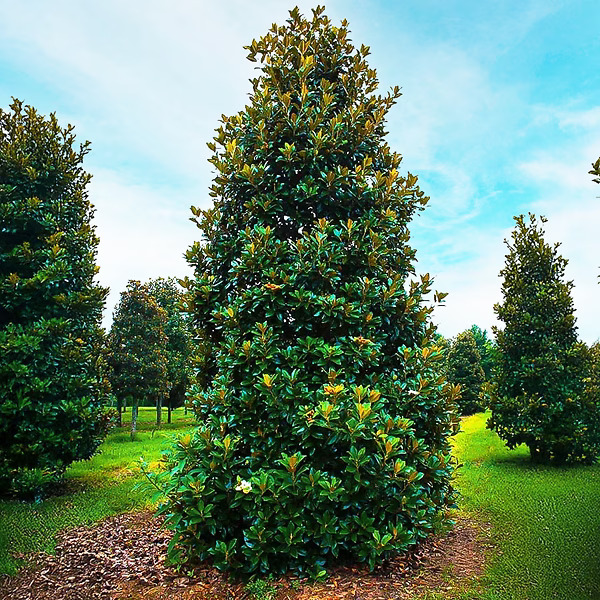
Magnolia (Magnolia spp.) — The Signature Statement
Magnolia trees bring a sense of permanence and elegance to commercial properties. Whether it's the classic Saucer Magnolia or the native Sweetbay Magnolia for wet areas, this genus offers a variety of options for Ohio Valley properties.
- Hardiness: Varies — Saucer Magnolia (Zone 4–9), Star Magnolia (Zone 4–8), Sweetbay (Zone 5–9).
- Size: Ranges from 15 feet (Star Magnolia) to 40+ feet (Sweetbay, Southern Magnolia).
- Best Use: Focal point plantings, corporate courtyards, main entrances, retention basin edges.
- Maintenance: Low to moderate. Minimal pruning; protect young trees from late frosts.
- Pro Tip: Plant Sweetbay Magnolia near stormwater retention areas — it tolerates wet soils.
Magnolia trees provide a dramatic, high-end feel to commercial entrances and courtyards.
Best Landscaping Techniques for the Ohio Valley Region
Succeeding in this region requires strategies built around resilience, adaptability, and long-term cost control.
Top 5 Regional Best Practices
- Choose Native Plants — Species like Eastern Redbud, Serviceberry, and Wild Ginger are naturally adapted to climate extremes and require less water and maintenance.
- Manage Clay Soils — The Ohio Valley's dense clay soils benefit from regular aeration and organic matter additions to improve drainage and root health.
- Install Effective Drainage — Proper grading, French drains, and rain gardens prevent water accumulation and protect structures from the region's heavy rainfall.
- Plan for Year-Round Color — Mix perennials, annuals, and evergreens (like Arborvitae) to maintain visual appeal across all four seasons.
- Implement a Proactive Maintenance Plan — Year-round, integrated care prevents costly emergency fixes and keeps properties in compliance.
Want to find native plants specific to your location? The NWF Native Plant Finder lets you enter your zip code to get a personalized list of native plants for your exact area.
Ready to Elevate Your Commercial Property This Spring?
Commercial and industrial landscaping is a vital component of property management that blends design, compliance, and environmental stewardship. By understanding regional conditions and leveraging the right plants and maintenance strategies, Ohio Valley property owners can create outdoor spaces that are visually compelling, sustainable, and cost-effective for years to come.
Now is the time to act. Spring is the shortest window of opportunity in the landscaping calendar — and the properties that invest early will stand out through summer and beyond.


%20(1).jpg)